

Eleanor Clarke
ENVIRONMENT
How to do ‘no-mow May’ well
There’s been a lot written and said about no-mow May since it began. Started as an initiative by UK environmental charity Plantlife back in 2019, it quickly gained traction as a way to re-wild gardens and see wildflowers thrive once more. These days even local councils take part – and it’s fabulous to see great swathes of urban parkland rippling with grasses, poppies and more over the summer months.
It’s hardly surprising that the long, lush look is one many of us would love to emulate at home. We love it too. But how easily does it translate to a small urban plot? The good news it’s possible to introduce elements of that loose, informal style that’s so appealing to wildlife – and to us humans.
No Mow May
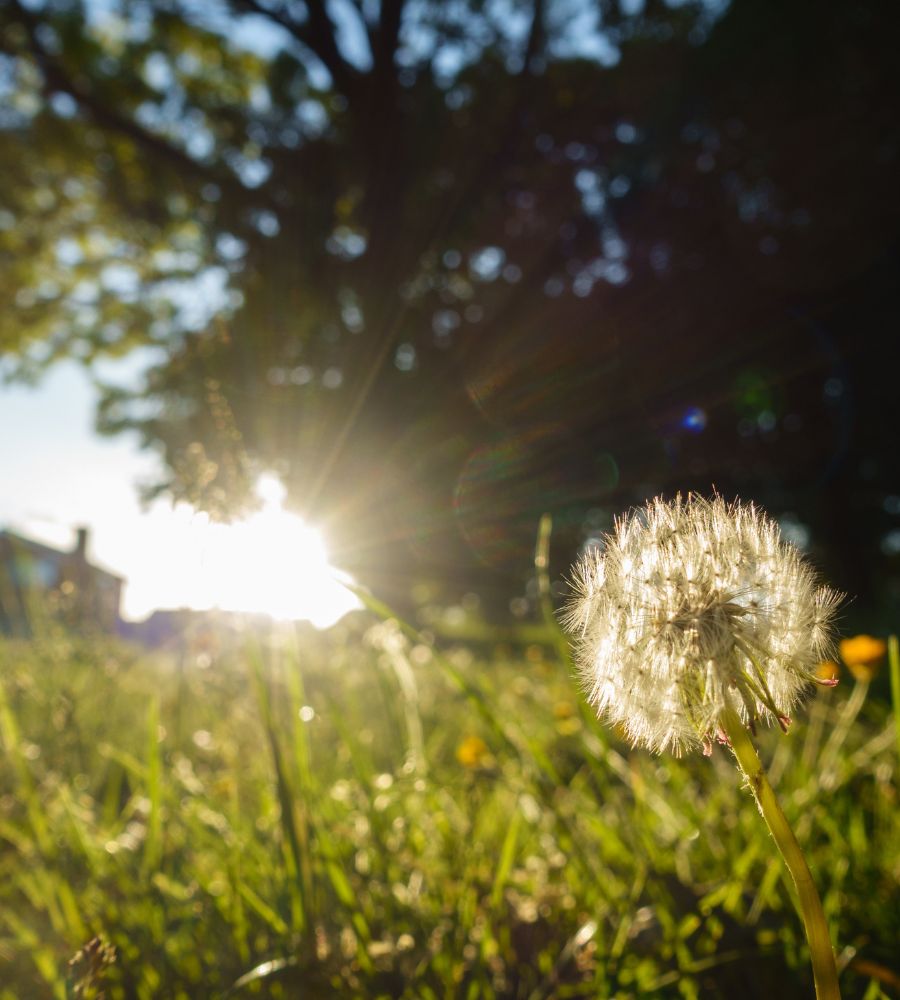
If you’ve ever joined in with No Mow May, you’ll know how quickly an area of well-mown lawn can become a lush, wafty meadow-like affair. However, grass that grows on rich, fertile soil tends to remain mainly grass. The poppies, cornflowers and wild orchids can take decades to appear (if they ever do). But an area of long grass with some clover and a few buttercups supports a whole lot more biodiversity than a traditional lawn, regardless of its wildflower content, even if you just let it grow for a month or two every year then cut it again in June or July. If your soil isn’t too rich, in a few years wildflowers such as speedwell and campion will start to appear among the grass.

But what if you prefer a more manicured look?
It would be easy to feel guilty for having a trad mown lawn these days, with all the focus there is on rewilding, letting things grow and so on. But lawns are good things, however long you let them grow and however many flowers they may or may not contain. Adjust your mindset and you can embrace both wild and manicured. Garden writer and biodiversity champion Val Bourne sections off an area of her grass behind low willow hurdles, mown lawn on one side, swaying meadow on the other with a very definite divide. It’s an approach that works well and gives you the best of both worlds.
Or for a similar, intentional rather than accidental effect, mow a meandering path through your lawn. It’ll slow you down too, and invite you to reach out and run your fingers through the lushness.
Rewild your lawn all year round
One of the big considerations with the meadow look is space. For wildflowers to thrive, self seed and look good, you need to think big. Also, consider what the area will look like when the flowers and grasses have gone over. In later summer or autumn you’ll need to cut everything down, clear away the cuttings and leave the area to recover. You’ll need shears or a scythe to do this, to give sheltering wildlife the best chance to relocate. You’ll then be left with a bare-looking patch of cropped meadow until the following spring. The full wildflower meadow look is definitely not a walk in the park.
If this doesn’t put you off, and you want to go all in, you can speed things up with a little effort. For the best wildlflower display, you’ll probably need to change your soil first. If it’s nutrient-rich (most clay soils are), take away the top layer to give native flowers a chance. Then in spring, replant using plug plants (make sure you include some yellow rattle as it will help to thin out grass, giving wildflowers a better chance), sow a special wildflower meadow seed mix or lay meadow turf. Bear in mind light levels, too, and choose turf specially designed for lower-light areas if it’s a shady site. It won’t be as pretty as a full-sun affair but at least you’ll get some flowers. In autumn, you can add spring-flowering bulbs such as snowdrops, crocus, daffodils and species tulips. These all naturalise well and extend the season of interest. Do keep an eye on weeds. If you don’t root them out, brutish ground elder, dock and brambles can start to take over.
If you do manage a bit of rewilding, you’ll be rewarded with a wealth of different insects, including butterflies, bees and hoverflies. Good luck and happy meadow-growing.
Read more:

OUTDOOR PLANTS