
Photo – Neil Fedorowycz
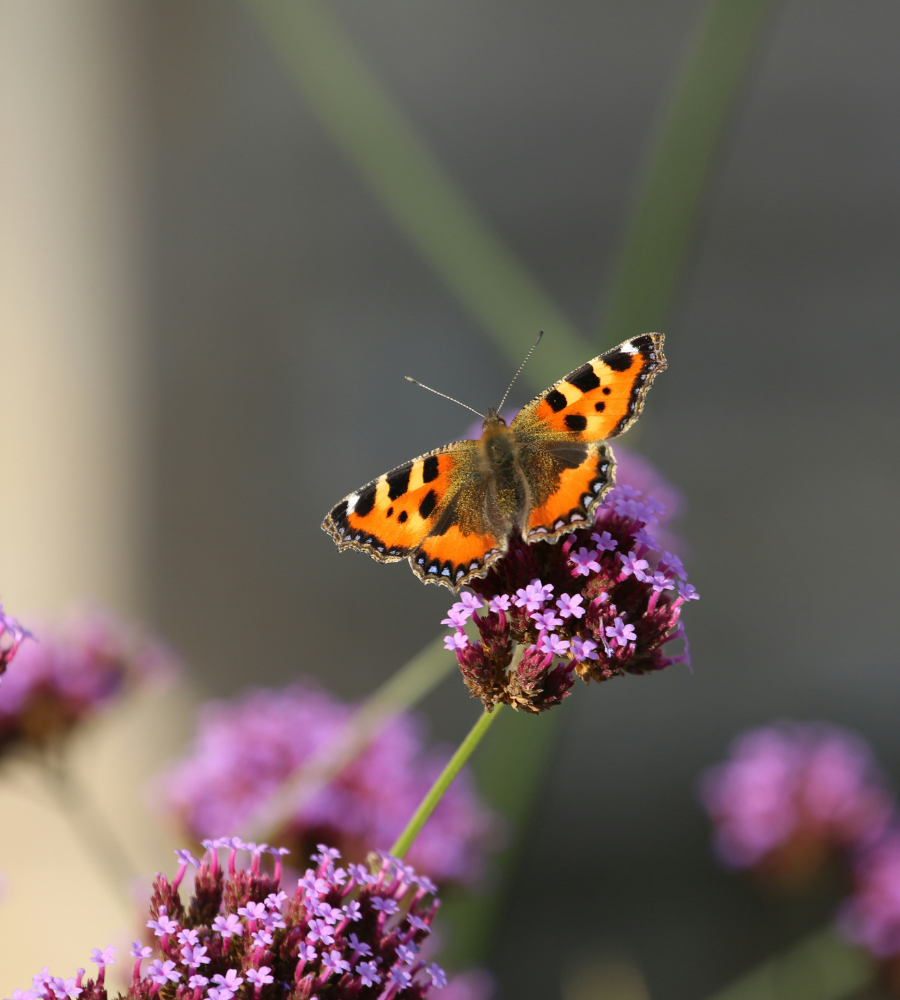
Pollinators need our help. Across the UK, many species are in decline, but the encouraging thing is this: even the smallest space can make a difference. Aptly the RHS National Gardening Week is encouraging people to be curious, and to connect to the world around them. Perfect timing then to turn our attention to nurturing pollinator-friendly corners…
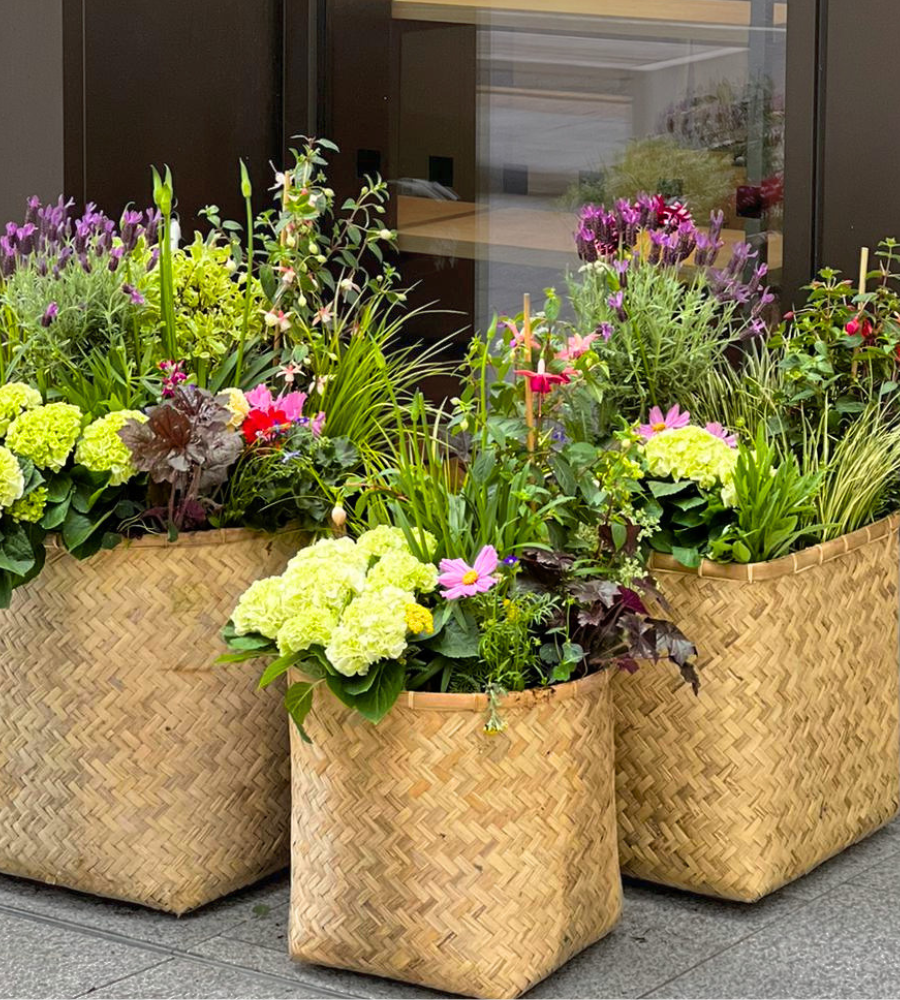
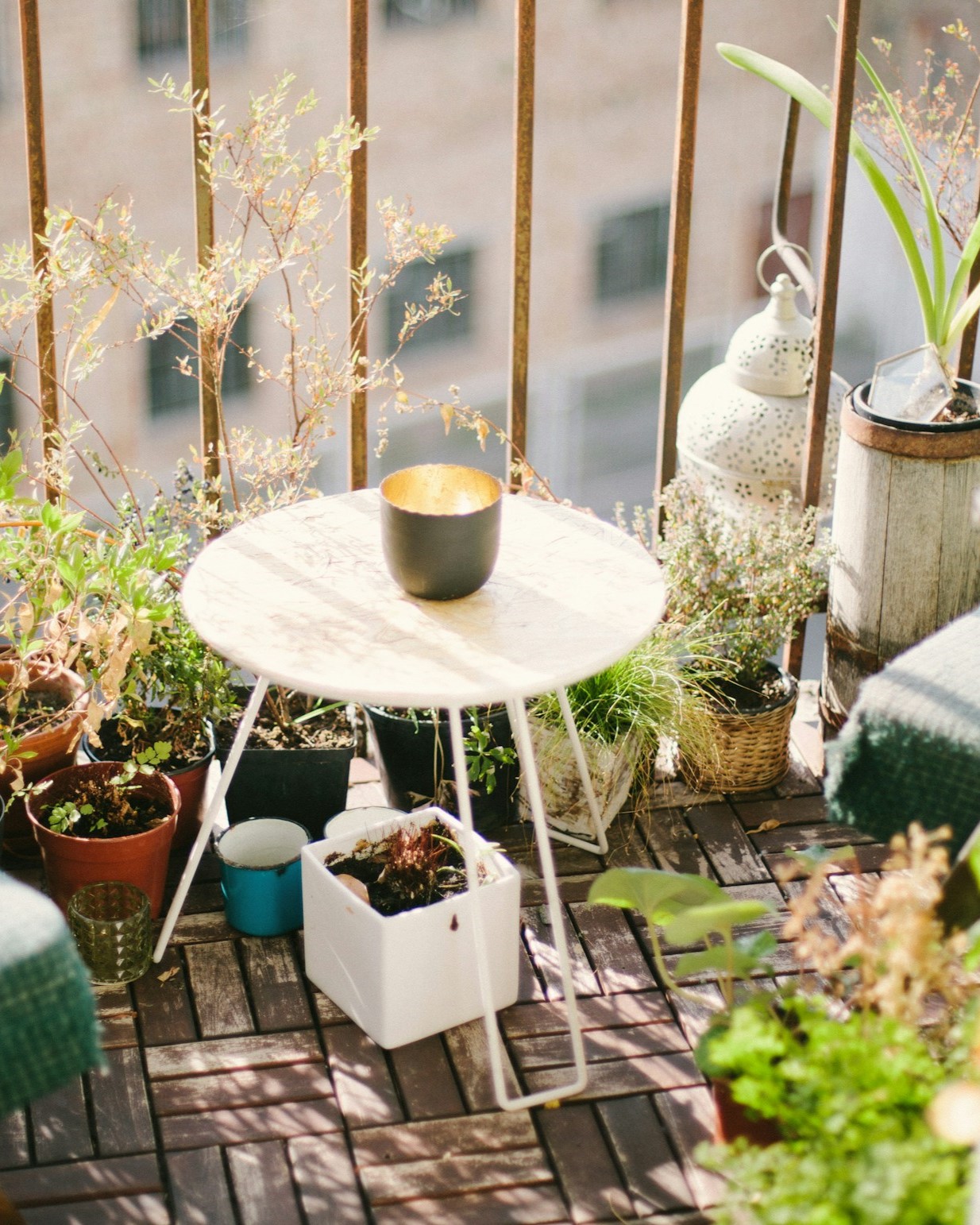
A single container, thoughtfully planted, can become a valuable food source for bees, butterflies and other insects. A pollinator planter doesn’t need to be complicated, just a few thoughtful choices to make.
One of the easiest ways to build something that works, is to follow a simple thriller, filler, spiller approach:
This creates a layered look while offering a variety of flower shapes for different pollinators to access.
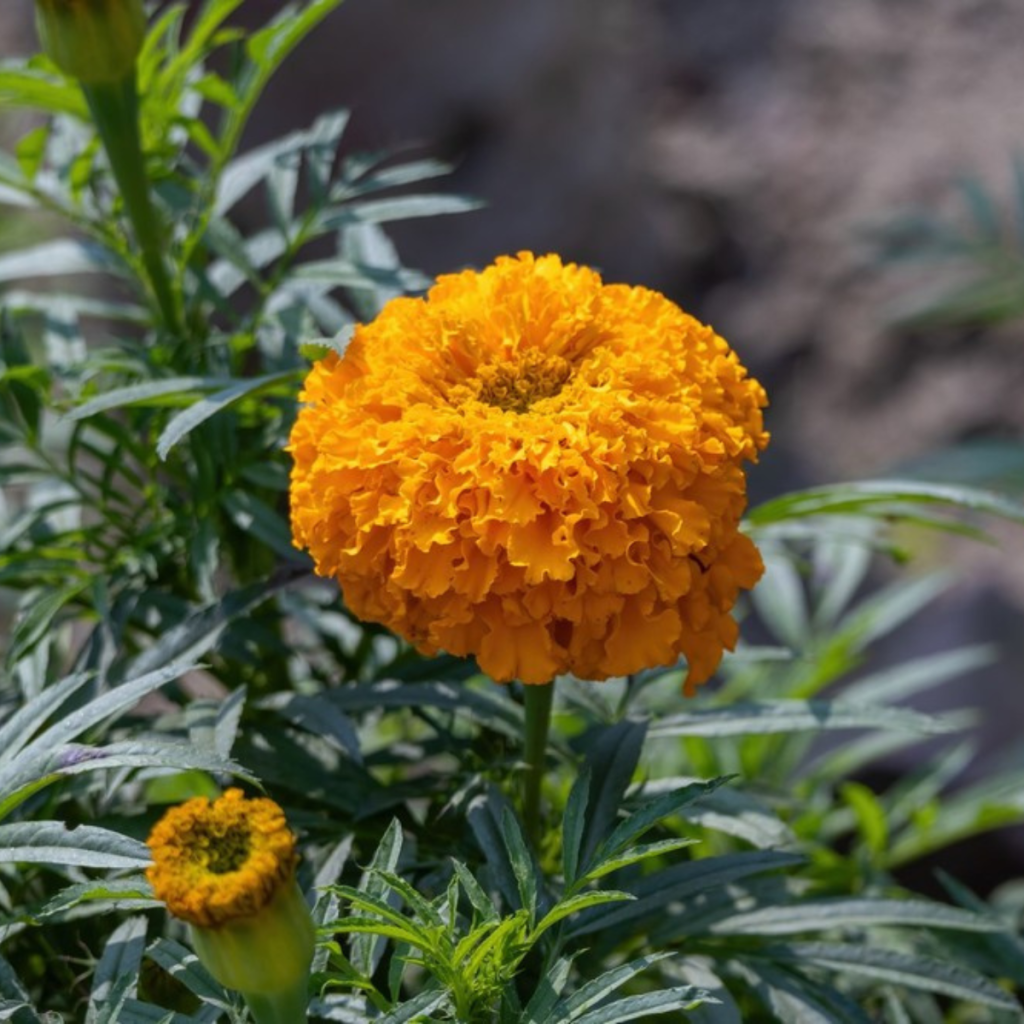
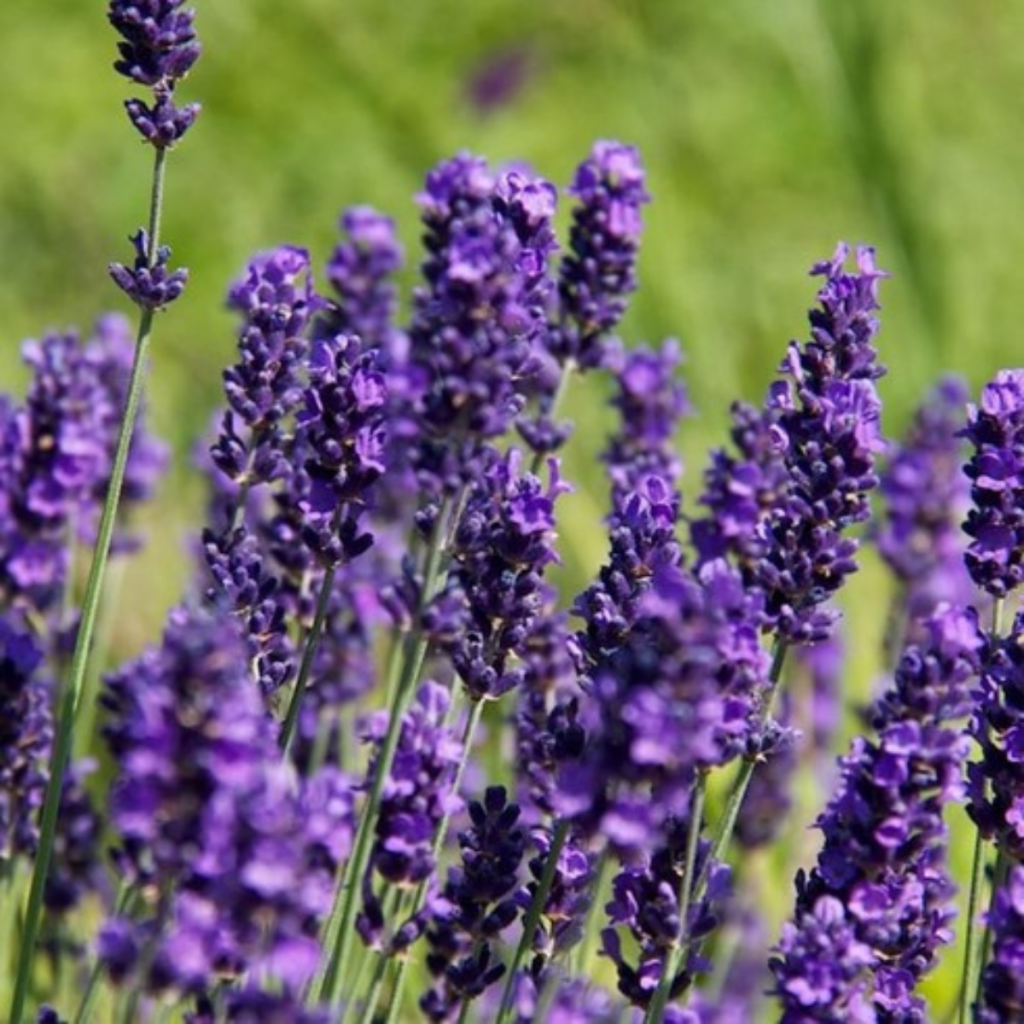
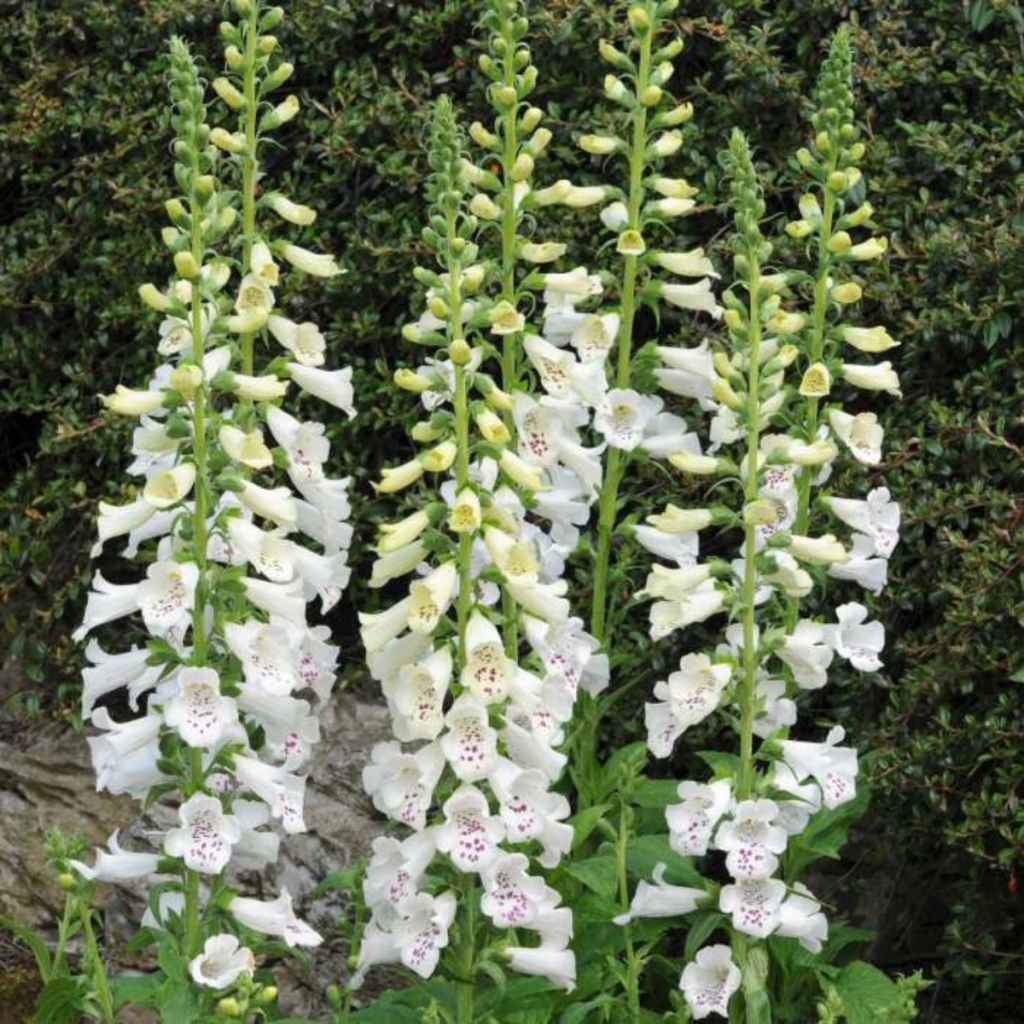
Some reliable, pollinator-friendly choices:
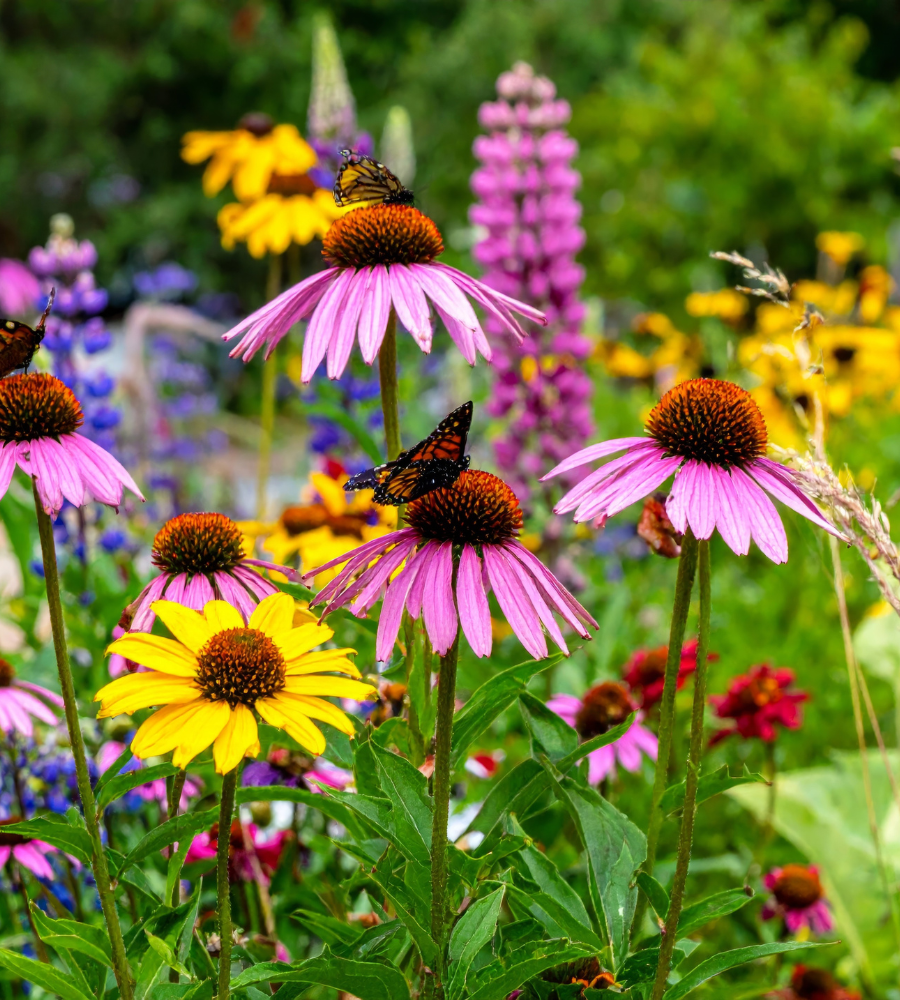
Echinacea and Helenium are great choices for mid-late summer
Planting inspiration
A planter is a great place to start, but there are a few other simple ways to support pollinators in your space:
Let some areas grow a little wilder
If you have a lawn, try mowing less often and allowing flowering “weeds” like clover and dandelions to bloom. Even a small patch can become an important food source.
Rethink pests
Not every insect is a problem. Aphids, for example, are an important food source for hoverfly larvae. A balanced garden will often regulate itself if you give it the chance.
Be mindful with sprays
If you do need to intervene, avoid spraying open flowers and always follow label instructions carefully. Timing and restraint make a big difference.
Discover our online store – or better still pop into one of our stores. Our teams are always happy to help with any questions you might have.
Provide your email address and be the first to hear about new product arrivals, promotions, workshops and special events. Plus advice & tips on how to look after your garden plants and indoor jungle.
We respect your privacy, see our privacy policy