
BLOOMING WITH PRIDE
Pioneering LGBTQIA+ Gardeners - Vita Sackville-West
This Pride Month, we want to take a moment to celebrate one of the most pioneering LGBTQIA+ figures in British horticulture – a woman who, against the grain of her time, lived fully and left a beautiful legacy.
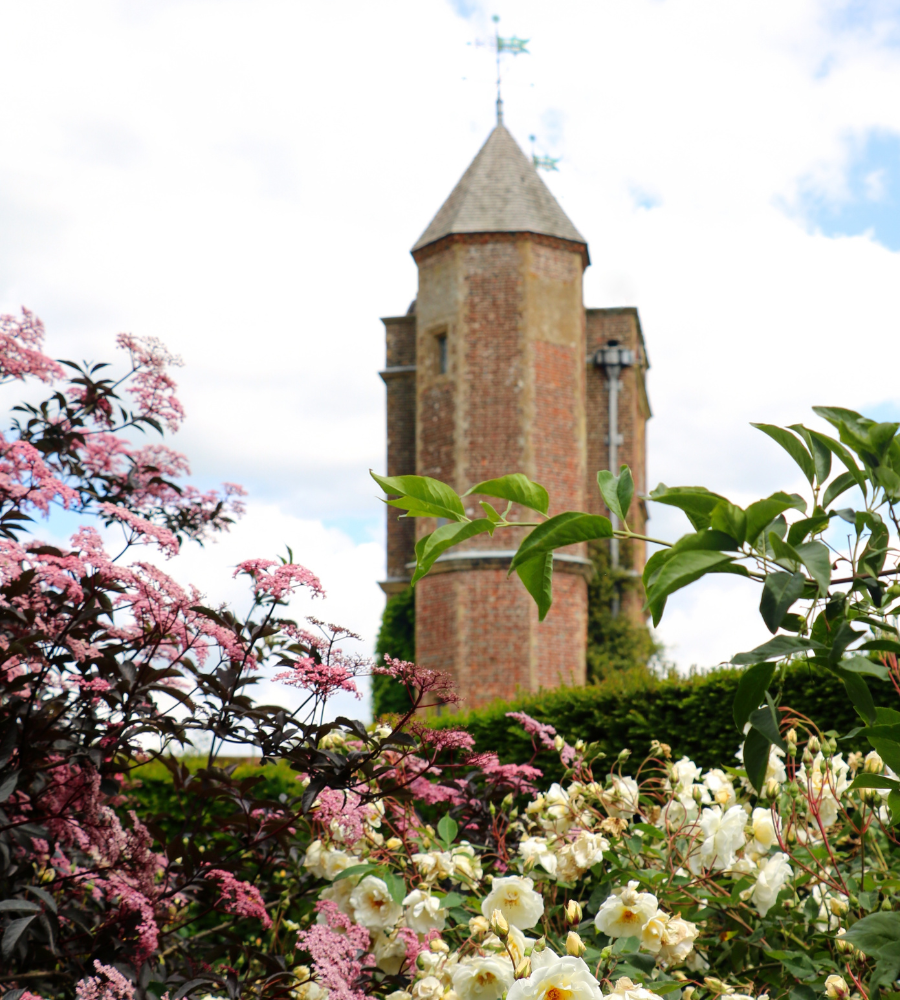
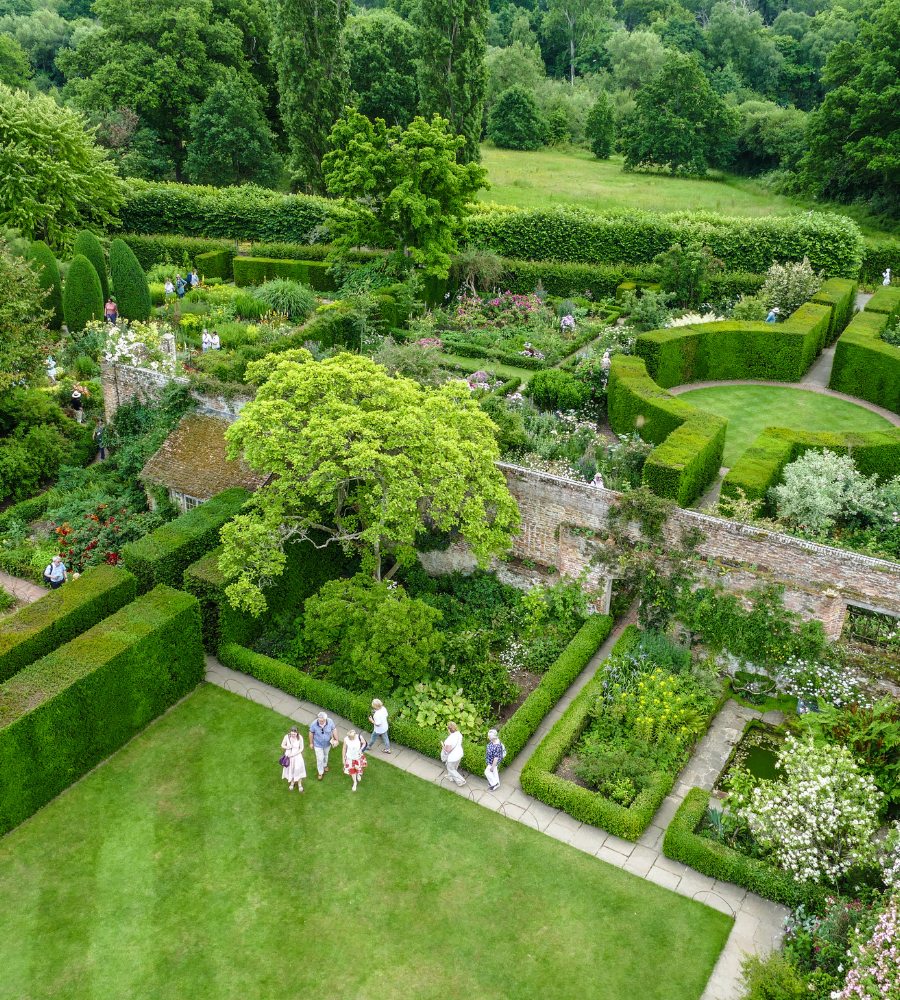
Sissinghurst Castle Garden in Kent is one of the most visited, studied, and influential gardens in Britain. Behind it was a woman who defied almost every expectation of her time: as a gardener, a writer, and a person who refused to live by anyone else’s rules. This month, we think she deserves a moment of her own.
Finding Sissinghurst
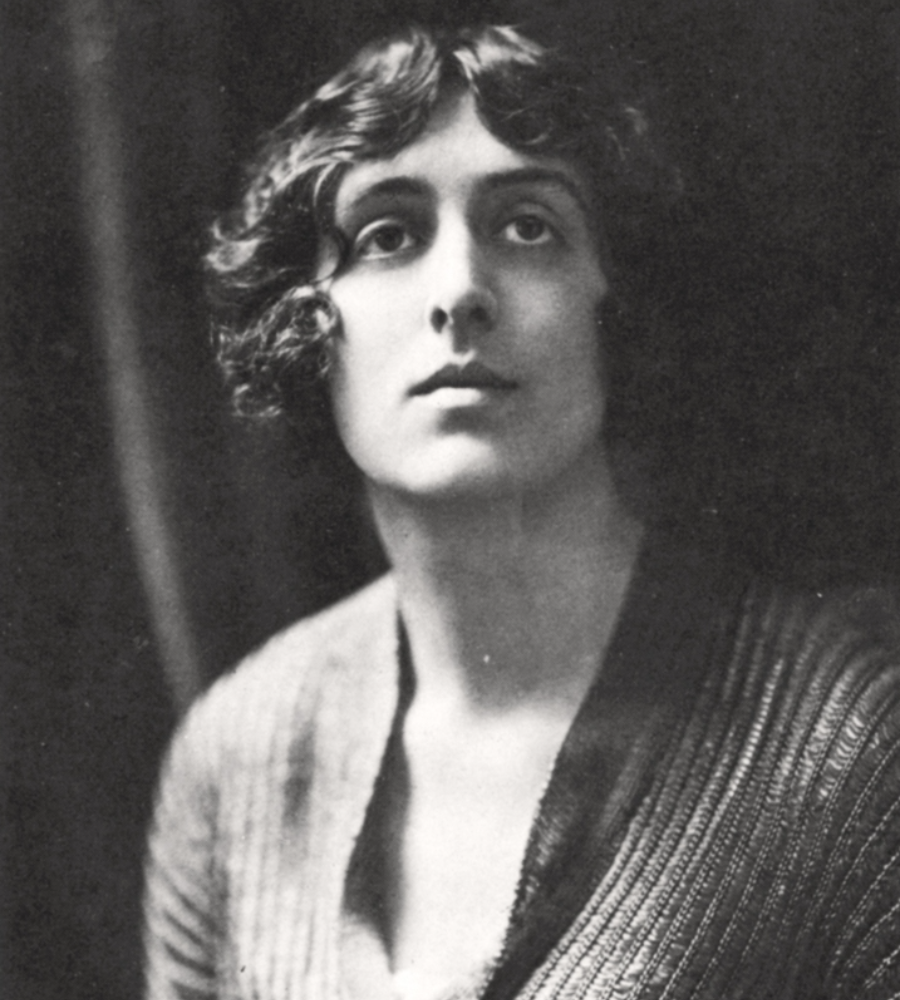
Vita Sackville-West was born in 1892 at Knole, the great ancestral house in Kent that had belonged to her family for generations – and which, because she was a woman, she would never be allowed to inherit. It was a loss she carried quietly for the rest of her life. When she and her husband Harold Nicolson first saw the derelict ruins of Sissinghurst on a rainy April day in 1930, she described falling in love at first sight: “It was Sleeping Beauty’s Garden, but a garden crying out for rescue.” Sissinghurst had once belonged to a Sackville ancestor, in a sense, she was coming home.
What she and Harold built there over the following decades became her defining achievement. Harold, a diplomat with a love of classical structure, designed the formal framework of paths, hedges, and walls. Vita filled it with an exuberant, romantic, painterly generosity of planting that gave the structure its soul. The result was a new idea in British gardening: the “garden room”, a series of distinct enclosed spaces, each with its own mood, palette, and character. As your explore Sissinghurst, you encounter surprise and discovery at every turn, the idea has shaped garden design ever since.
A Life Lived on Her Own Terms
Vita’s personal life was as quietly revolutionary as her gardens. At a time when living openly outside convention carried real social cost, Vita did so without apology. She had significant relationships with women throughout her life, including the writer Violet Trefusis, with whom she caused scandal in high society when they eloped to Europe in 1917, and Virginia Woolf, whose time-shifting, gender-fluid novel Orlando was inspired by Vita. Her son Nigel later described it as “the most charming love letter in literature.”
Beyond the garden, Vita was a prolific and prize-winning writer. She won the Hawthornden Prize twice, becoming the only writer ever to do so, first in 1927 for her poem The Land and again in 1933 for her Collected Poems. She published thirteen novels, and from 1946 wrote a weekly gardening column for The Observer that ran until 1961, making Sissinghurst famous to a national audience. She was awarded the RHS Veitch Medal, made a Fellow of the Royal Society of Literature, and appointed a Companion of Honour. She died at Sissinghurst in June 1962, aged 70.
A Legacy Still Growing
The garden Vita created did not stand still after her death. Her grandson Adam Nicolson and his wife, the celebrated plantswoman and writer Sarah Raven, lived at Sissinghurst for a period and worked to restore the wider estate, reuniting the garden with the working Wealden farm that once surrounded it. Raven has also written a book bringing Vita’s own garden writing up to date, keeping her vision alive for a new generation of gardeners. Today, in the hands of the dedicated National Trust team, Vita’s spirit of exuberance, colour and generosity very much lives on.
At The Nunhead Gardener, we are proud all year round. Happy Pride Month.
Read more:
OUTDOOR PLANTS