

Tucked away in the less glamorous, some might say murky reaches of mysterious garden practices is mulching. It sounds like something that might be done by elves, under cover of darkness. Which would be convenient actually, as a good mulching session can be strenuous. But it’s incredibly good for your plants. So what exactly is it, and why do it? We’re here to tell you all you need to know about mulching.
Simply put, mulching is adding a layer (usually, but not always, of organic matter) to the soil to achieve one or more of various aims: locking in moisture, creating a weed barrier, returning goodness to the soil, improving soil structure or protecting the roots of vulnerable plants from frost.
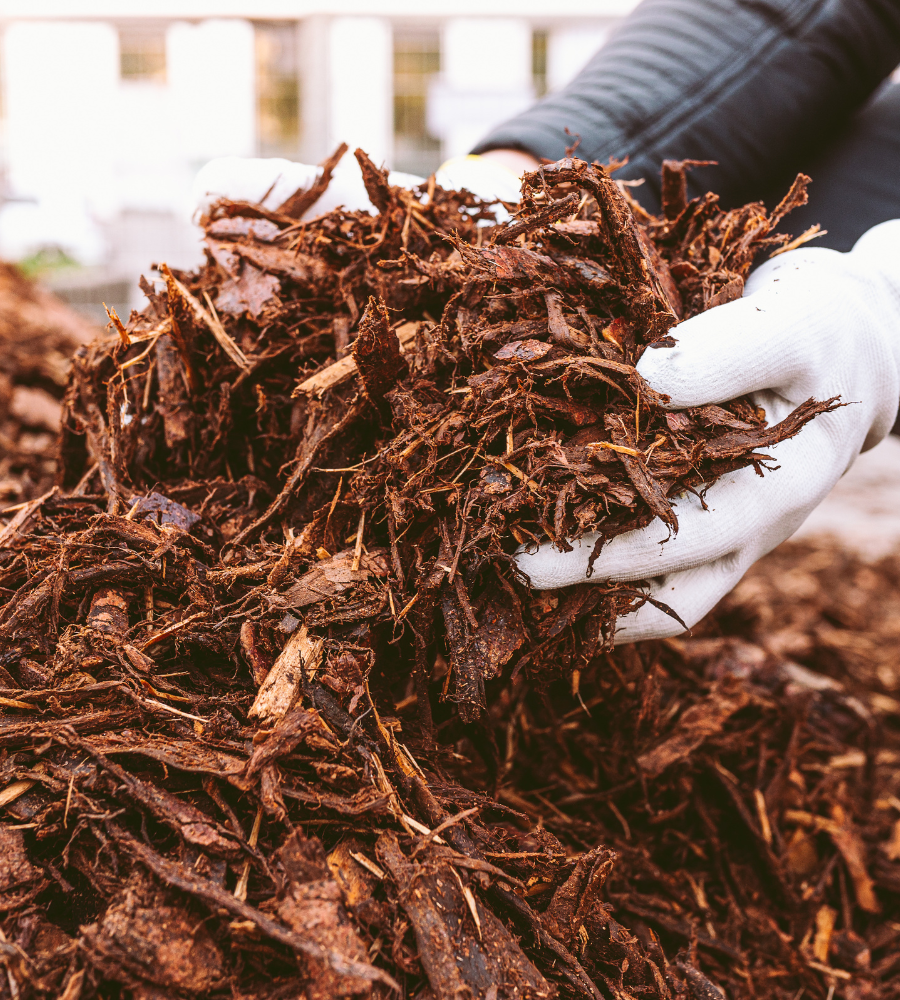
If you want to improve your soil, limit weed growth and lock in moisture for summer, by far the best option is an organic mulch. This could be bought, bagged compost, your own well-rotted garden compost from a compost bin, leaf mould (your own or bought in), composted woodchips or composted bark. Compost is a great all-rounder, which will carry out all three of the main mulching functions, gradually improving heavy and/or nutrient-light soil as it’s taken down by worms and microscopic soil organisms. Leaf mould is also good almost anywhere, but especially in a woodland setting, as it mimics and speeds up the natural conditions found on the woodland floor. Woodchips or bark break down more slowly and are an especially good option for clay soils, as they’re excellent for improving drainage. The dark colour also provides a handsome foil for your plants.
There’s also a case to be brought for plastic sheeting and gravel. If you’ve a large area you want to cover, over winter perhaps, before sowing and planting veg, plastic sheeting will keep out the weeds – although flattened cardboard boxes will do the same job. Gravel mulch is a great option in a very hot, sunny border, where dry soil is a problem. Obviously neither will break down and condition your soil but they will keep out most weeds and lock in moisture. Gravel also looks lovely, especially around Mediterranean plants such as lavender, rosemary, thyme and cistus
For an effective weed-suppressing, moisture-locking barrier, you need a good 4-5cm of mulch around your plants. And early spring is the best time to do it. It’s easier then, as most plants haven’t got going yet, so there’s little getting in the way. Being the start of the growing season, it’s also when they’ll benefit the most from your efforts.
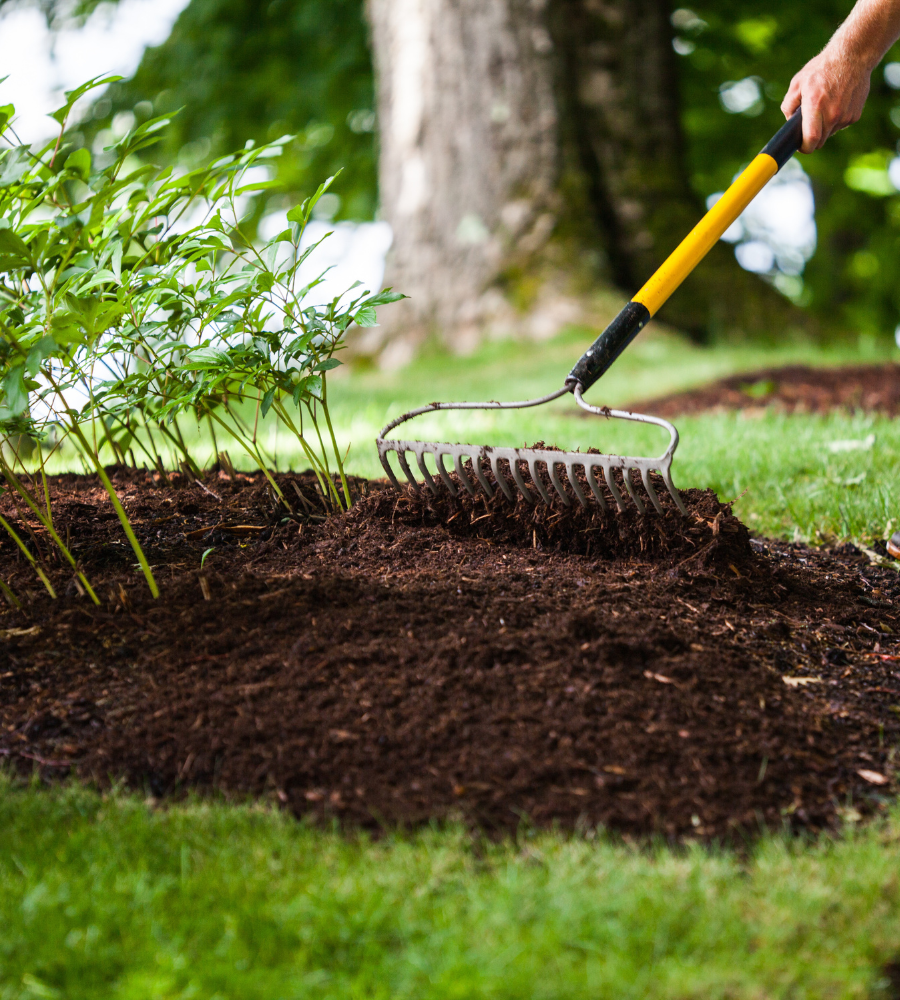
If you’re mulching a flowerbed, remove any obvious weeds first, water thoroughly if it’s been dry, then use a small spade to pile in mounds of mulch. Spread it out with your hands or a rake, tucking it in under any growing foliage and taking care around spring bulb growth
Hedges
If your hedges are looking a bit tired or diseased (they’re easy to neglect), a nice thick layer of mulch right at the roots in spring should give it a boost
Spring bulbs
When the foliage is dying down in late spring, mulch will lock in moisture and feed the bulbs for better flowers next year
Flower borders of herbaceous perennials
A mulch of dark woodchips or compost is beneficial and looks great too
Fruit trees and bushes
They’re thirsty plants, so a spring mulch will help to retain moisture
If you’ve had plants in pots for a year or more, a mulch will add much-needed nutrients, as well as preserving moisture; a double mulch of organic matter then gravel is even better
Slightly tender plants
Plants such as Verbena bonariensis and dahlias, which can succumb to hard frosts over winter, benefit from a protective autumn mulch
Provide your email address and be the first to hear about new product arrivals, promotions, workshops and special events. Plus advice & tips on how to look after your garden plants and indoor jungle.
We respect your privacy, see our privacy policy