

GARDEN DESIGN
Before the Festive Rush: Slowing Down with Plants
With the nights drawing in and festive chaos creeping up, there’s one tried-and-true way to feel a little steadier: plants. Digging in the soil, pruning, planting, or just pottering around with pots and leaves is like a tiny, free prescription for your mind, body, and soul.
Green Therapy
Gardening is a great way to get moving gently, without really noticing. Raking, digging, carrying compost, or lifting pots engages your muscles, gets your heart ticking, and improves balance – all while you’re busy creating something beautiful. Beyond the physical perks, research from the Harvard T.H. Chan School of Public Health shows that gardening can reduce stress, lower blood pressure, ease anxiety, and boost overall life satisfaction. Those little movements, repeated over time, quietly take care of you while you’re caring for your plants.
Indoor plants get in on the act too. Simply being around greenery lowers cortisol (the stress hormone), helps calm the nervous system, and improves focus (J Phys Anthropol, 2015). Watering a spider plant or misting a fern can feel like pressing the day’s pause button – a green moment of mindfulness.

Photo – feey
Nurturing nature
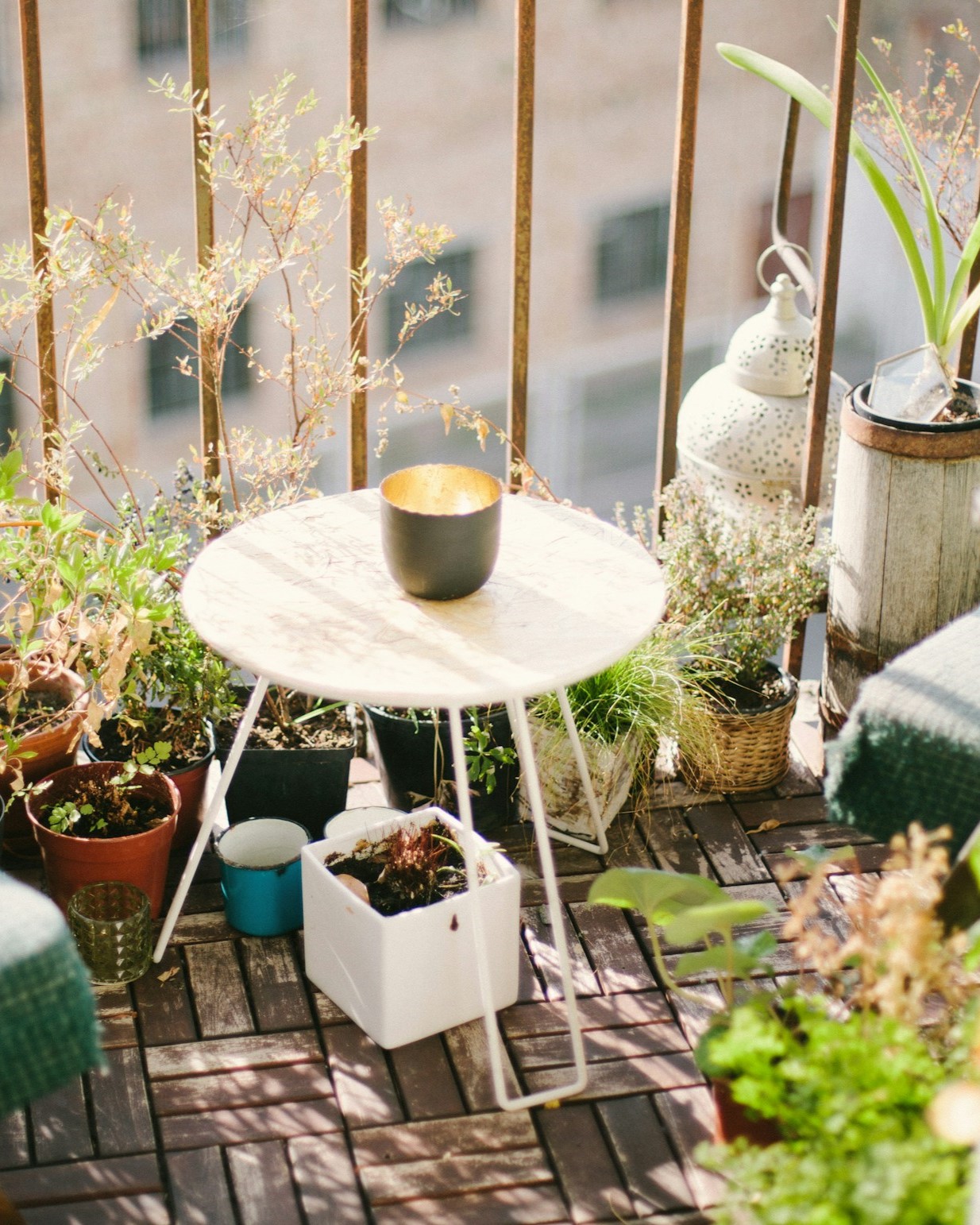
The magic of growing a plant never ceases to amaze us. You plant a seed, water it, and watch it slowly transform before your eyes – a very satisfying “I made that” moment. A balcony, windowsill, or tabletop can host something green, giving you the same nurturing boost indoors as out.
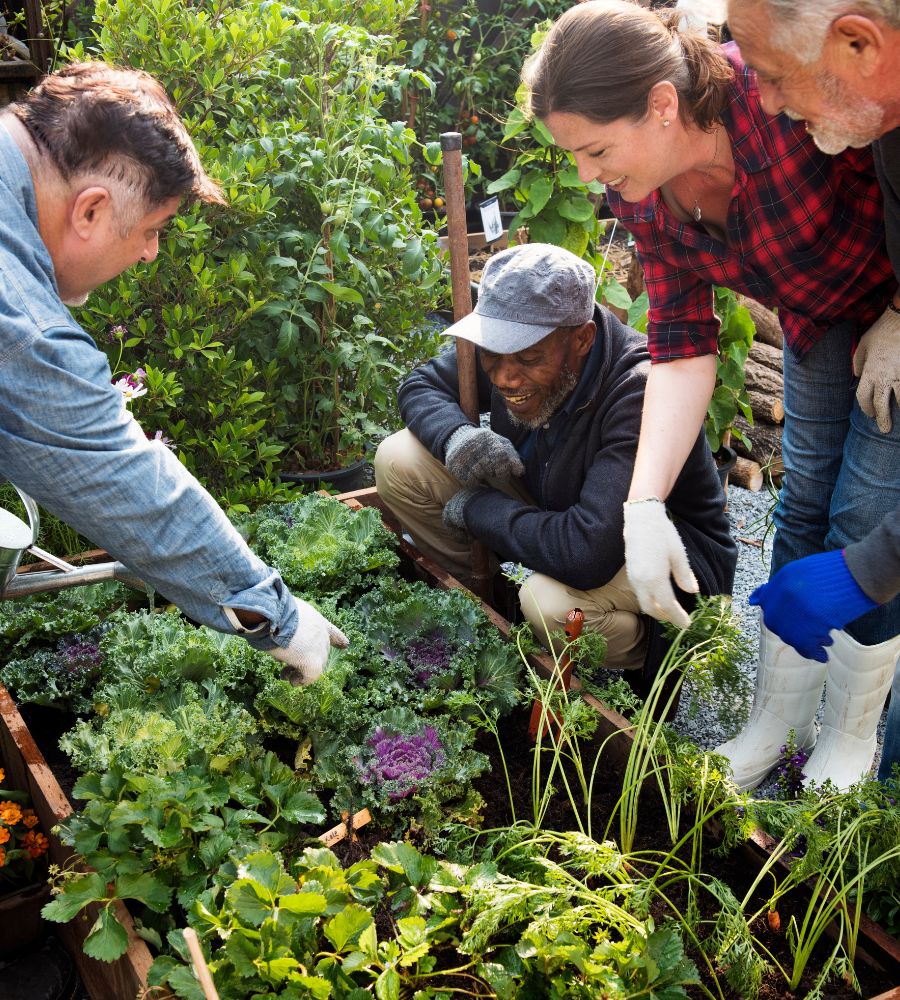
Community gardening adds another layer of joy. Sharing plants, swapping cuttings, or tending a communal patch nurtures not just greenery, but friendship, purpose, and a sense of calm belonging. Across South East London, there are wonderful community gardens – from Camberwell’s Friends of Brunswick Park to Brayards Garden in SE15 – where locals come together to dig, plant, and share the rewards. And let’s not forget the sensory perks: the crisp air, earthy scent of soil, and the rustle of leaves — all perfect for quieting a busy mind. Oh and our nurturing goes beyond the plants – at this time of year, leave seed heads for the birds, topping up feeders, or putting out a shallow dish of water – help wildlife through the colder months.
The calming power of scent
We might be missing the verdant days of spring and summer, but there are plenty of incredible plants you can enjoy indoors — and having the scent of the outdoors is a simple, mood-boosting way to transport yourself to green days and blue skies, even in the darker winter months. Start with a few potted herbs such as rosemary, thyme or mint on a sunny windowsill. Whether you harvested s little Lavender in the summer or buy some ready-dried — tie a few stems into a small posy and hang it, or pop it in a vase, in your favourite relaxing spot. And if you want to make the most of the winter garden, bring in cut branches from hardy, winter‑flowering fragrant shrubs such as daphne or sarcococca. Cut stems early in the day when the air is cool, remove any leaves that will sit under water, and place them in a vase with clean water indoors — their scent will gradually fill a room, a subtle reminder that plants aren’t just for spring.

Photo – Viktoriia Filipchenko
Growing your own food: tiny victories, big rewards
Even in winter, you can sneak in edible plants. Leafy greens like lettuce, rocket, and spinach thrive on a sunny windowsill. Herbs such as parsley, chives, or thyme add fragrance and flavour (and the occasional smug “I grew that” moment). Outdoors, hardy winter vegetables – kale, garlic, or winter lettuces continue growing, offering fresh shoots for festive meals. The act of caring for edible plants combines all the wellness benefits of ornamental gardening – physical activity, stress relief, sensory engagement, with the added reward of nourishing food.
Read more:

OUTDOOR PLANTS