
Eleanor Clarke
GARDEN DESIGN
All you need to know about deadheading
For a seasoned gardener, deadheading is something you do almost without thinking. It’s in our DNA. We wander round the garden, naturally clicking a few spent rose blooms off the plant as we go. It’s an easy job with big rewards. Our plants look better without their faded flowers, we won’t end up with a patio or lawn drowned in petals and – big bonus – we know that most will produce more flowers in the same season if they’re deadheaded.
But if you’re relatively new to the joys of gardening, you might be unsure and have questions that need answering: which flowers should you deadhead? When should you do it? And how can you tell developing bud from withering bloom? These are questions we’ve been asked a fair few times, and all are valid, so let’s explain the fabulous art of deadheading in a little more depth.
Imagine for a moment you’re a flowering plant. Your goal in life is to produce seeds and reproduce. And you’ll do anything to achieve this (especially if you’re an annual, as you won’t get another chance next year). So you grow and put on a beautiful display of flowers, replete with pollen and nectar, to attract bees and hoverflies… Then someone snaps off those finished flowerheads, with the developing seeds inside. You react by making more flowers.
Which flowers should I deadhead?
It’s true that not all plants produce more flowers when you deadhead them, but these are some that respond particularly well, simply look much better neatened up by some deadheading or have heaps of petals than can look super messy.
Annuals:
Cosmos
Marigolds
Petunias
Snapdragons
Pelargoniums
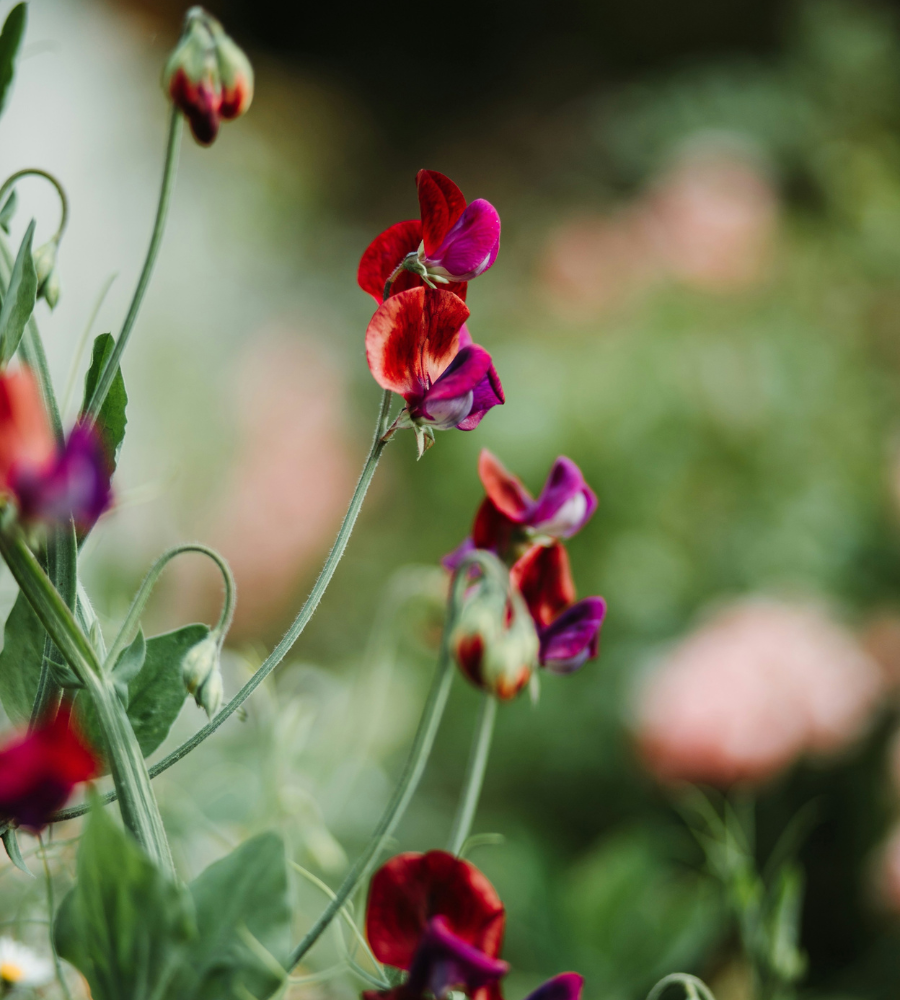
Sweet peas
Zinnia
Perennials:
Roses
Camellias
Peonies
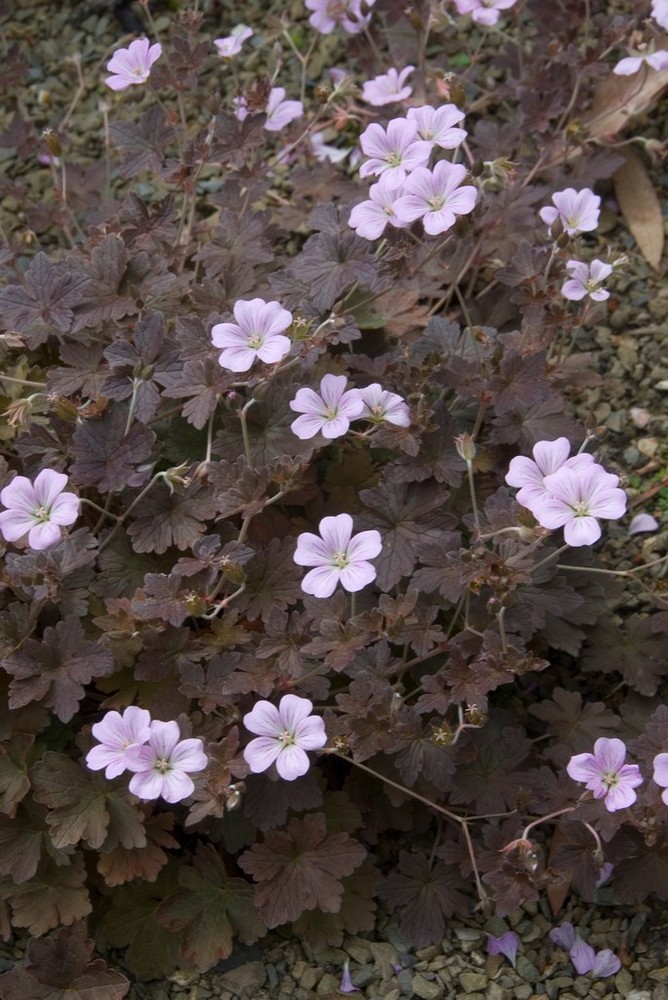
Hardy geraniums
Oriental poppies
Dahlias. Quick note here: it can be hard to distinguish between dahlia buds and spent flowers when all the petals have fallen. The buds are round, whereas the spent flowers are conical
If you have plants in your garden that self-seed with too much abandon for your liking, then it makes sense to deadhead these too. Or, if they’re annuals, pull some or all of them out as soon as the seedheads begin to form. We’re thinking things like Mexican daisy (Erigeron), Greater quaking grass (Briza maxima), valerian, Spanish bluebells (Hyacinthoides hispanica) and lady’s mantle (Alchemilla mollis), although sometimes it’s a balancing act between keeping a few and removing the rest (we love them but in a small London garden in particular, we have to be pragmatic).
And which should I leave?
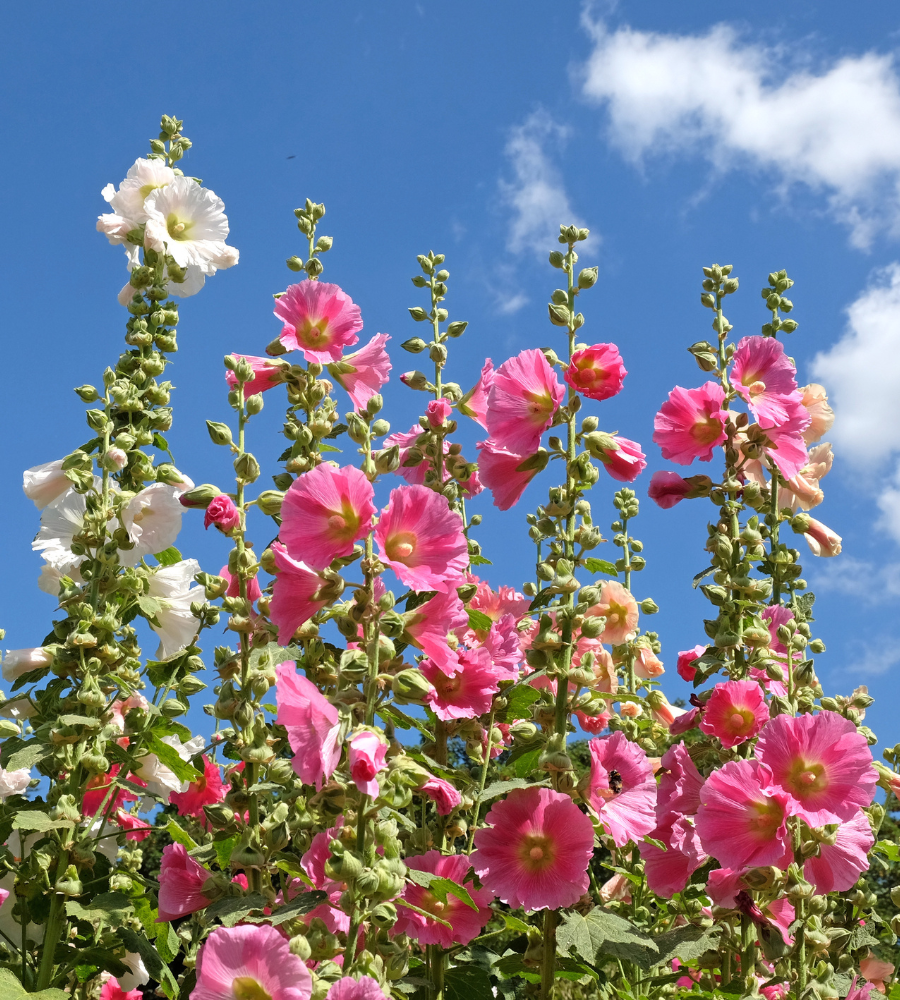
There are some plants that are best left alone. These tend to be biennials (which need two years to flower, and will then self seed – so you need those seeds to develop and give you new seedlings). Consider birds, too, which can benefit from berries and seeds left to ripen on the plant. Here are a few examples:
Foxgloves
Hollyhocks
Rose campion (Lychnis coronaria)
Sea hollies
Teasels
Sedums
Fatsia japonica ‘Spider’s Web’
When and how to deadhead
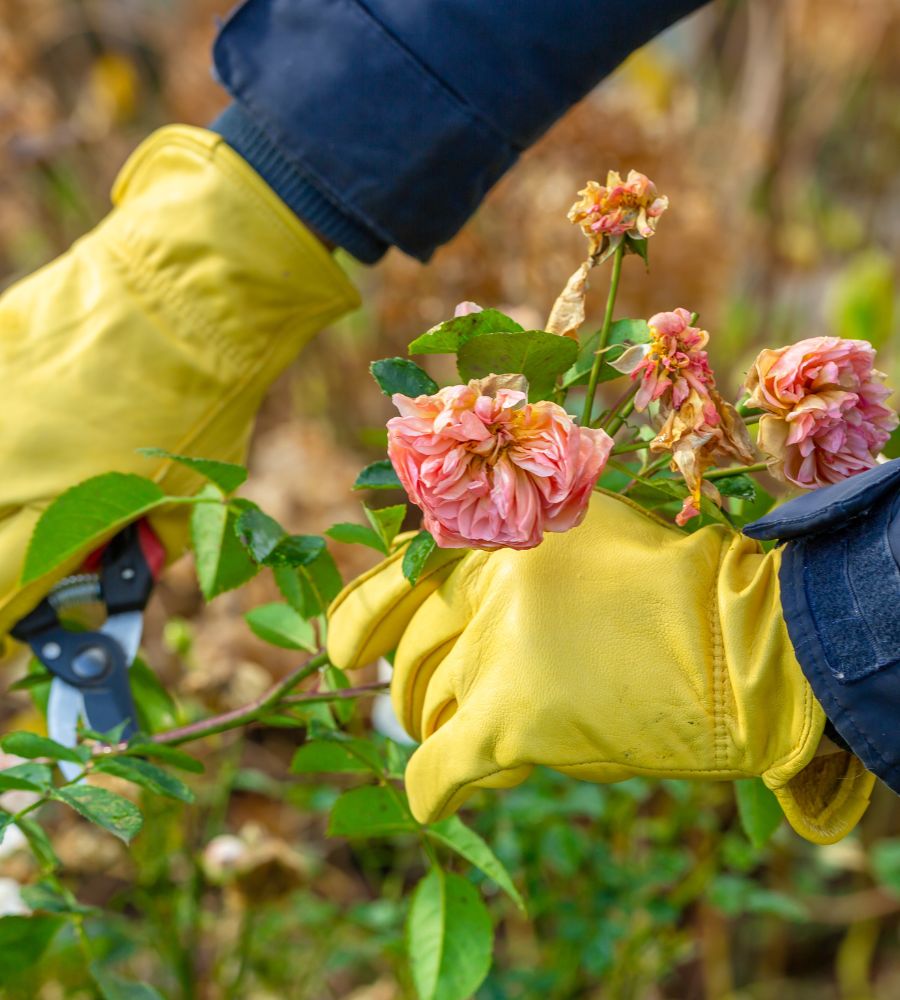
You should ideally remove spent flowers as soon as they begin to fade, to give the plant as much time as possible to produce more, and waste less of its precious energy making seeds. So as soon as you start to see petals dropping from your roses, for instance. The best way to deadhead most flowers is with a pair of secateurs, following the stem down from the flower and snipping where it joins the first set of leaves. Other flowers are easily plucked off between the fingers.
Some plants are too big and sprawling to deadhead individually – hardy geraniums, oriental poppies and catmint (Nepeta) for example. Deadhead these with a pair of shears, cutting the whole plant back to near ground level; you don’t have to be too precious about it. Many geraniums will give you a second flush of flowers, while oriental poppies will respond with some fresh green foliage.
Plants that have tall spires of flowers, like delphiniums and lupins need a slightly different treatment. Wait until the whole spire has flowered, then prune the whole thing back to just abouve a lower bud, side shoot or leaf. You should get some more, smaller flower spikes in late summer.
Read more:
OUTDOOR PLANTS