Take a look around your living room. There’s a good chance that at least one of your favourite houseplants started life in Africa. This Black History Month we’re celebrating five plants with roots on the continent, with a few tips to see them happily through the winter.
A quick word on names first. Many of these plants carry European names from the collectors who sent them to Europe. But people across Africa knew, used and named them long before. The snake plant’s old common name, bowstring hemp, for example is a clue that its tough leaf fibres were traditionally used to make bowstrings and rope.
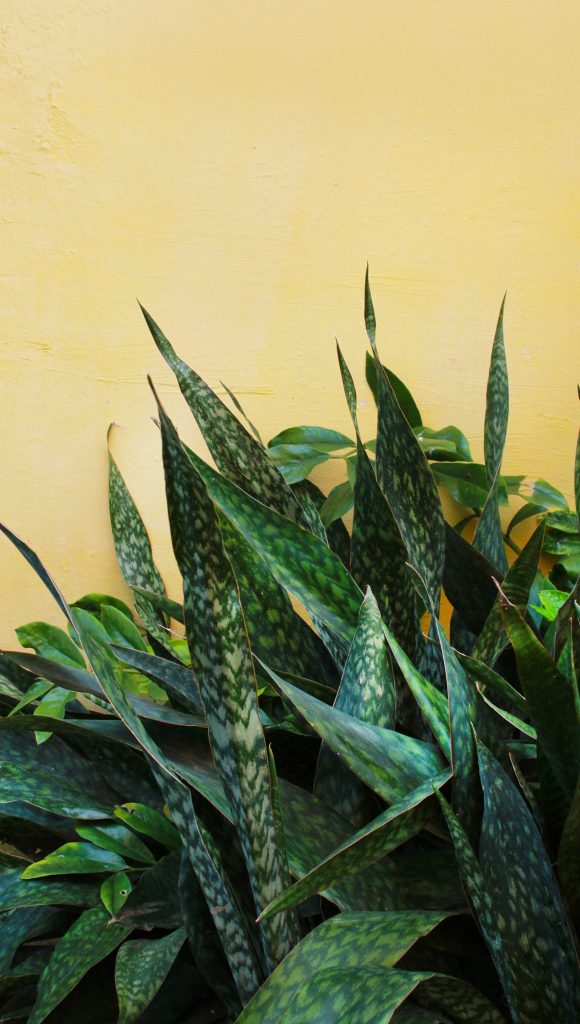
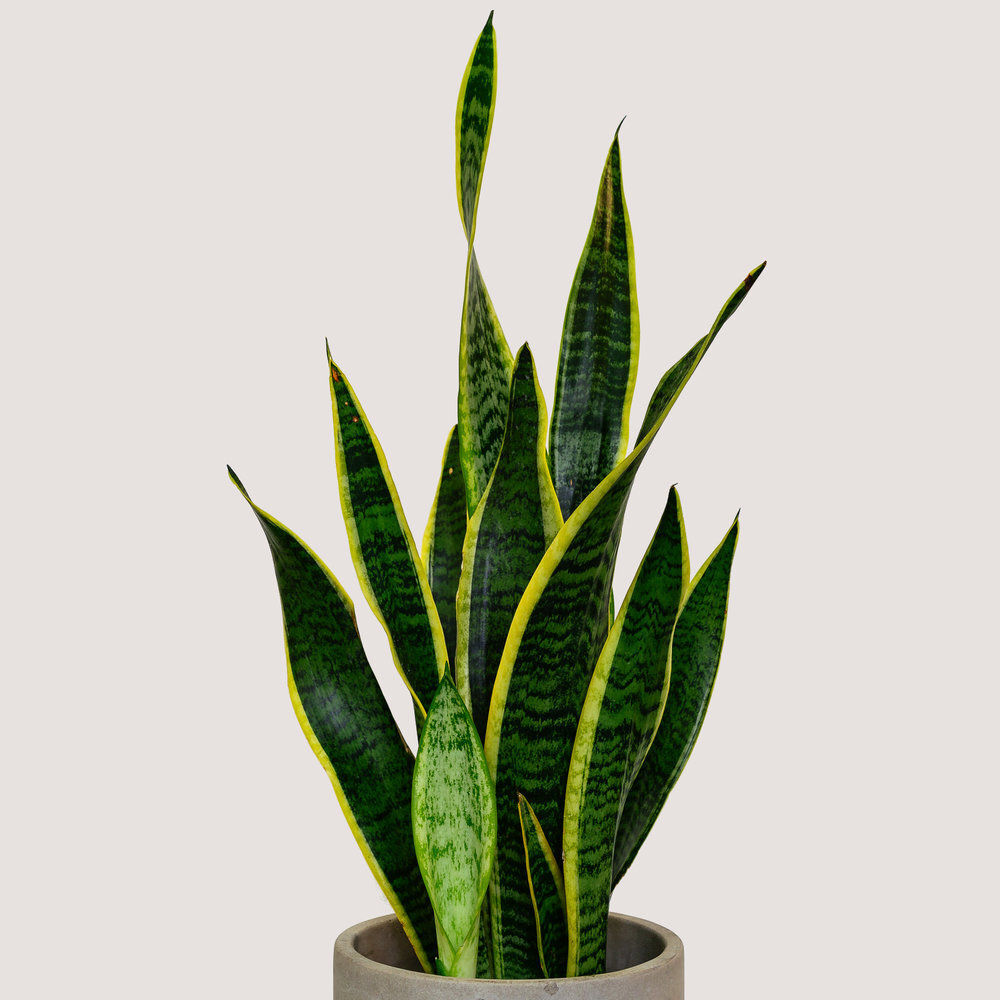
Snake plant (Sansevieria Trifasciata)
From: tropical West Africa The ultimate low-maintenance plant, and the one we recommend most to nervous beginners. Its upright, sword-like leaves bring strong architecture to a room, and it copes with lower light better than almost anything else. Its one weakness is too much water. In winter, water roughly once a month at most and let the compost dry out completely in between.
Snake plant – Sansevieria Trifasciata
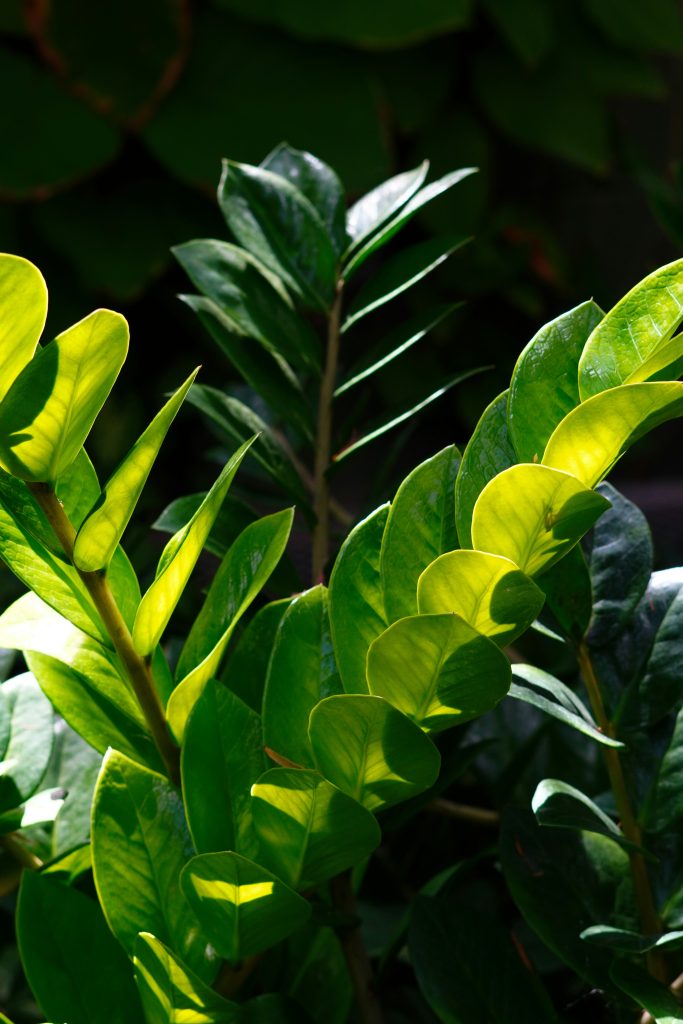
ZZ plant (Zamioculcas zamiifolia)
From: East Africa Glossy, sculptural and almost impossible to kill, the ZZ stores water in its chunky underground rhizomes. That’s how it survives droughts in the wild, and how it survives forgetful owners at home. Give it bright, indirect light if you can, though it will tolerate a shady corner. Like the snake plant, it would much rather be too dry than too wet, so go easy with the watering can until spring.
ZZ plant – Zamioculcas zamiifolia
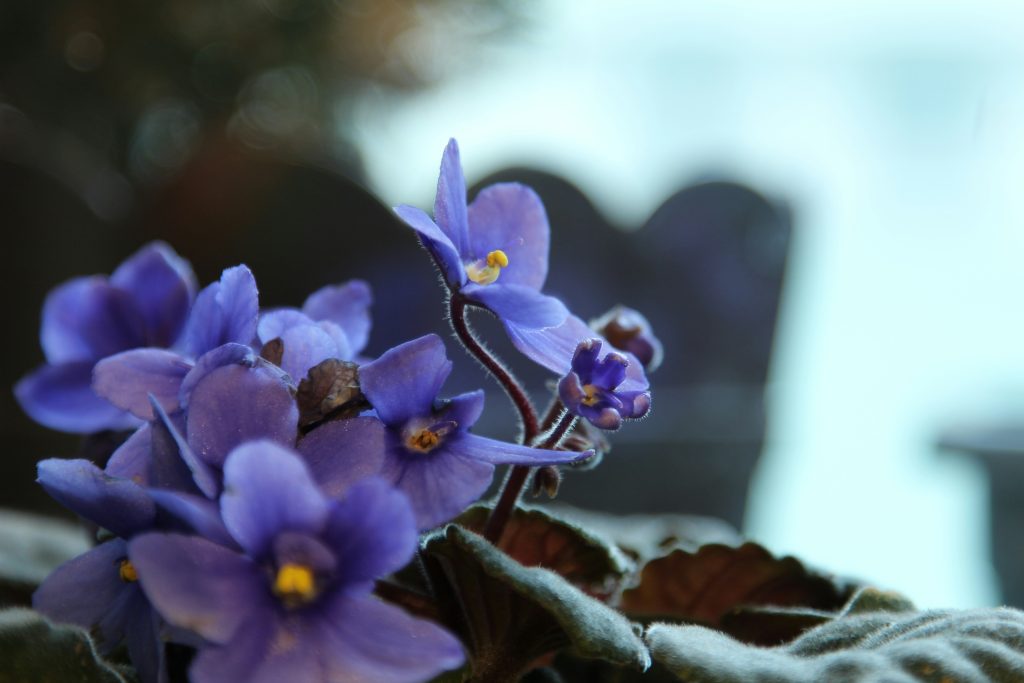
African violet (Saintpaulia)
From: the mountains of Tanzania and Kenya A little old-fashioned? Perhaps. But African violets are having a moment again, and rightly so. They’re one of the few houseplants that will flower happily through winter on a bright windowsill. Water from below by standing the pot in a saucer of room-temperature water for twenty minutes, then let it drain. Cold water on the velvety leaves leaves marks, so keep the foliage dry.
African violet – Saintpaulia
Cape primrose (Streptocarpus)
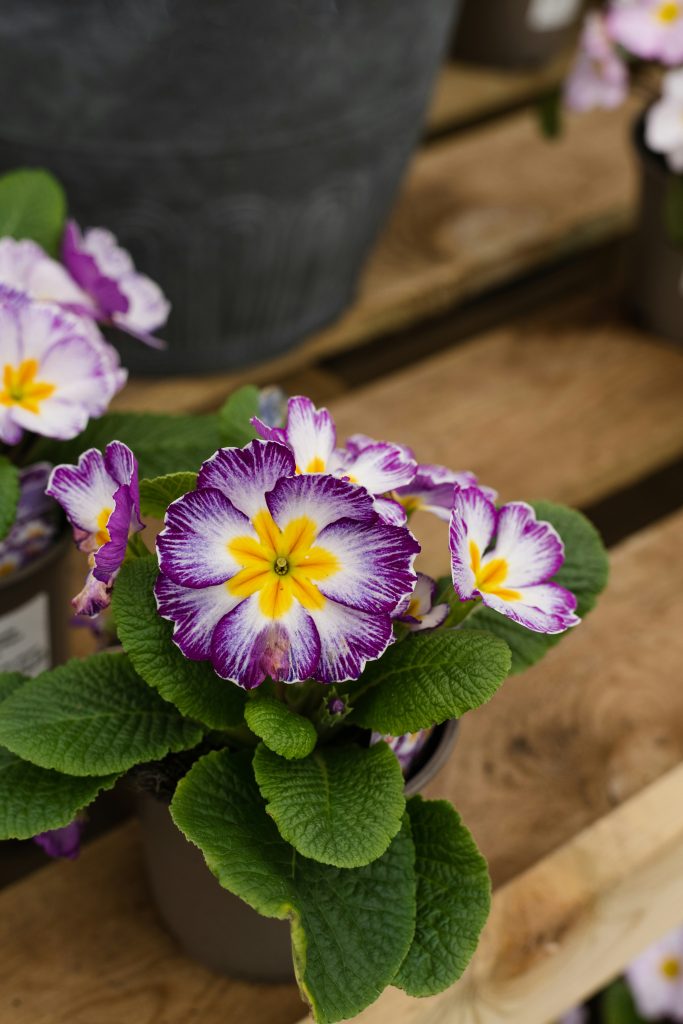
From: South Africa The African violet’s easy-going cousin, with trumpet-shaped flowers in purples, pinks, blues and whites from spring well into autumn. Streptocarpus like a bright spot out of harsh midday sun. Snip off the flower stalks once they fade to encourage more. In winter they rest a little, so water less and hold off on the feed until spring.
Cape primrose – Streptocarpus
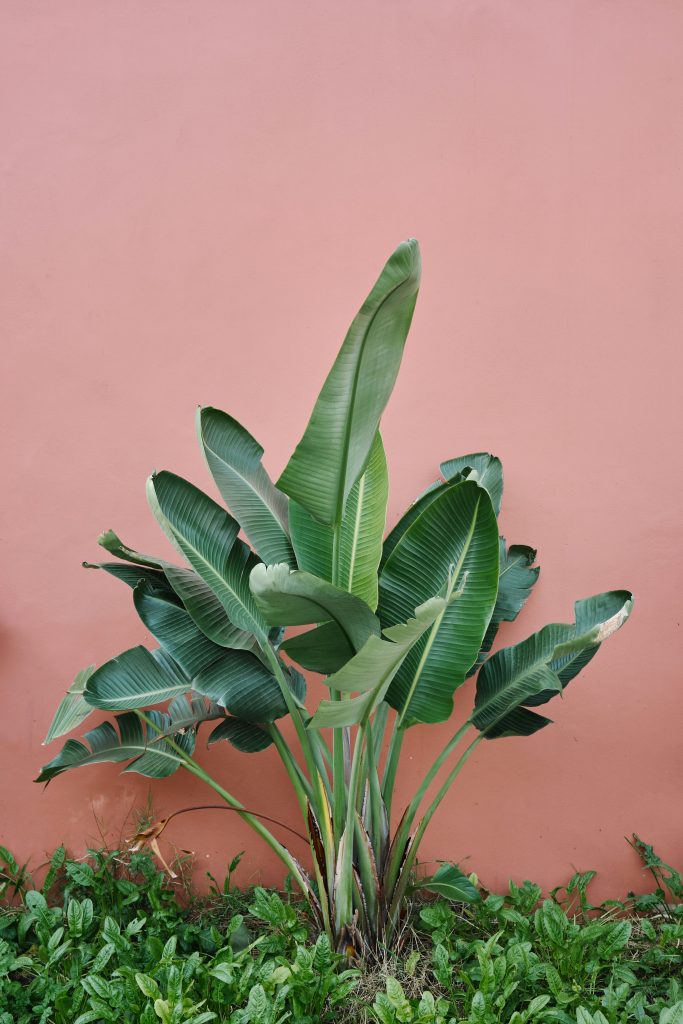
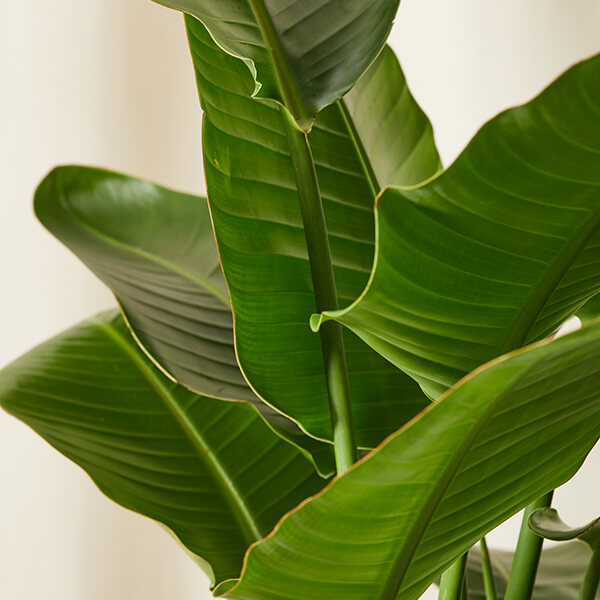
Bird of paradise (Strelitzia)
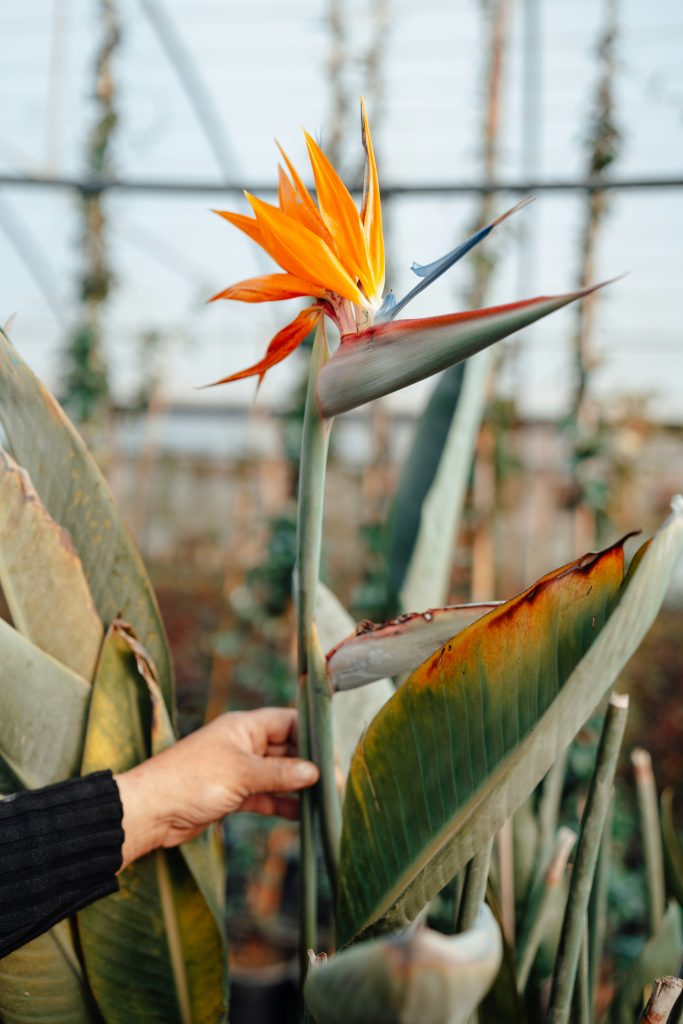
From: South Africa For real drama, nothing beats a bird of paradise. Strelitzia reginae bears the famous orange-and-blue flowers that look just like a crane’s head. Its giant cousin, Strelitzia nicolai, makes a superb statement plant with its huge, banana-like leaves. Both need the brightest spot you have, ideally near a south- or west-facing window. Keep them above 10°C, and water when the top few centimetres of compost feel dry. Be patient with flowers: a reginae usually needs to be a few years old and slightly pot-bound before it blooms.
Bird of paradise – Strelitzia
Your winter checklist
Water less. Light levels drop and growth slows, so most houseplants need far less water from October to March.
Move closer to the light, but away from cold draughts and the direct blast of radiators.
Pause the feed until you see new growth in spring (African violets in flower are the exception).
Dust the leaves. Clean leaves soak up more of that precious winter light.
Provide your email address and be the first to hear about new product arrivals, promotions, workshops and special events. Plus advice & tips on how to look after your garden plants and indoor jungle.